As the seasons change, so do the allergens in the air — often leaving many of us with itchy eyes, sneezes, and sniffles. At Sanreek Wellness, we believe in supporting your body the natural way. Through nourishing foods, targeted supplements, and clean lifestyle choices, you can help your immune system stay balanced and calm — even when pollen counts rise.
While antihistamines, nasal sprays, and medical treatments play a central role, there’s growing interest in how diet and supplements can support your body’s response — either to reduce symptom severity or possibly shorten flare-ups. Below, we dive into what the evidence suggests, and what to watch out for.
1. Understanding Seasonal Allergies (A Quick Primer)
Seasonal allergies are a misdirected immune response to otherwise harmless particles (pollen, mold spores, etc.). The immune system reacts by releasing histamine and other inflammatory mediators, triggering sneezing, swelling, mucus, and itchiness.
In Southern Africa, tree pollens tend to peak in August–October, and grass pollens extend from September through summer.
Because the same allergens often recur annually, the strategy is two-fold: reduce exposure and support the body’s resilience.
2. Diet as a Support — Not a Cure, But a Helpful Ally
While diet alone won’t stop an allergic reaction, certain eating patterns and nutrients may help modulate inflammation, support gut health, and lower the burden on your immune system.
a) Favor an “Anti-inflammatory / Immune-friendly” Diet Pattern
Research suggests that a diet high in refined carbs, saturated fat, and low in fiber may worsen allergy risk.
On the other hand, a pattern closer to the Mediterranean diet (rich in fruits, vegetables, whole grains, legumes, nuts, olive oil, and lean protein) has been linked to lower allergy incidence in observational studies.
Emphasize colorful fruits & vegetables (for antioxidants), omega-3 rich foods (like oily fish, flaxseed, chia), and whole grains.
b) Key Nutrients & Foods to Include
Here are a few foods and nutrients that show promise (or at least plausibility) in supporting allergy management:
| Nutrient / Food | Role / Mechanism | Sources & Suggestions |
| Vitamin C | Acts as a natural antihistamine and antioxidant | Citrus fruits, bell peppers, strawberries, broccoli. |
| Quercetin (a flavonoid) | May stabilize mast cells and reduce histamine release | Onions, apples, berries, capers. Many supplements also contain quercetin. |
| Omega-3 fatty acids | Anti-inflammatory effects | Fatty fish (e.g. sardines, mackerel), flaxseed, walnuts |
| Probiotics / Fermented foods | May support gut microbiome and modulate immune responses | Yogurt, kefir, sauerkraut, kimchi, or probiotic supplements. |
| Tomatoes / Lycopene / Polyphenols | Antioxidant and anti-inflammatory potential | Fresh tomatoes, cooked tomato sauces (cooked forms often increase bioavailability) |
| Local honey | The logic: small amounts of local pollen may help desensitize | Some small trials and reviews suggest possible benefit; others find placebo-level effects. Use cautiously (especially for children & those with severe allergies). |
Tips:
Moderation & balance matter — even “healthy” foods can worsen symptoms if consumed in extreme quantities (e.g. citrus in someone with acid sensitivity).
Freshness & variety help — not just focusing on one superfood.
Keep a food–symptom diary (e.g. what you eat vs how you feel) — individuals differ.
3. Supplements: What the Evidence (and Caution) Show
Supplements may offer adjunct support, but they must be chosen judiciously, and never replace conventional treatment without consultation with a healthcare provider.
A 2020 mixed-methods systematic review of nutritional supplements for allergic rhinitis found “promising evidence” for:
Apple polyphenols
Tomato extract
Spirulina
Chlorophyll c2
Vitamins C, D, E
Probiotics
Combination formulas (e.g. vitamin D₃ + quercetin + Perilla frutescens)
Conjugated linoleic acid, etc. PubMed
Other commonly discussed supplements / botanicals include:
Quercetin — as above, often termed a “natural antihistamine.”
Stinging nettle (Urtica dioica) — has shown antihistamine and anti-inflammatory potential.
Butterbur — has some evidence for reducing allergy symptoms, but must be PA-free (pyrrolizidine alkaloid–free) to be safe (these compounds can harm the liver).
Bromelain — an enzyme from pineapple, sometimes included in allergy formulas for its anti-inflammatory properties.
Vitamin D — Low levels have been linked to increased allergy sensitivity; supplementation may be beneficial in deficiency.
Probiotics — certain strains seem promising in modulating immune responses in allergic rhinitis.
Combination formulas / herbal complexes — e.g. mixes with quercetin + vitamin D + perilla, may offer synergistic effects.
4. Safe Use & Pitfalls to Watch Out For
- Always consult a doctor or allergist before starting any supplement, especially if you’re on medications, pregnant, or have liver, kidney or immune conditions.
- Quality matters — choose reputable brands; look for third-party testing or certification.
- Watch for interactions (e.g. quercetin may interact with certain drugs, or high-dose vitamin D can affect calcium metabolism).
Some herbs (like non-PA-free butterbur) can carry serious risks (e.g. liver toxicity).
- Supplements should complement, not replace, proven therapies (antihistamines, nasal corticosteroids, allergen immunotherapy).
- Be cautious with “natural cures” that promise too much. The evidence is often mixed or preliminary.
5. Integrative Strategy: Diet + Supplements + Lifestyle
To make the most of diet and supplements, integrate them into a broader allergy management plan.
a) Reduce Allergen Exposure
Monitor pollen counts locally (e.g. pollencount.co.za).
Stay indoors during peak pollen times (mid-morning, early evening), close windows, use air-conditioning or air-purifiers.
Shower & change clothes after being outdoors.
Use nasal irrigation (saline sprays or neti pot) to flush allergens.
Use wraparound sunglasses, masks when outdoors in high pollen settings
b) Start Early / Pre-seasonally
Some evidence suggests that beginning antihistamines or supportive strategies before pollen season begins may improve symptom control. Similarly, ramping up beneficial nutrients or supplements ahead of the season may offer better priming, rather than waiting for symptoms to flare.
c) Monitor & Adjust
Keep track of which foods, supplements or strategies seem to help (or worsen) your symptoms.
If symptoms persist or worsen, see a specialist for testing (skin prick or blood tests) and possibly immunotherapy.
Reassess supplement dosages or brands periodically.
6. Sample “Allergy-Friendly Day” Eating Plan
Here’s a rough example to show how you could structure meals:
Breakfast: Greek yogurt with berries, a sprinkle of flaxseed, and local (raw) honey
Mid-morning snack: Apple or an orange
Lunch: Mixed salad (spinach, bell pepper, tomato, red onion) with grilled salmon, olive oil + lemon dressing
Afternoon snack: A handful of walnuts or almonds
Dinner: Stir-fried vegetables (broccoli, capsicum, carrots) + quinoa + lean protein, seasoned with turmeric & black pepper
Evening: Herbal tea (e.g. nettle, rooibos) or a small piece of fruit
You could layer in a supplement (such as quercetin, probiotic, vitamin D) per your healthcare provider’s advice.
7. Conclusion: A Balanced, Evidence-Mindful Approach
Seasonal allergies can be a real drag — they sap energy, disrupt sleep, and interfere with your daily life. While diet and supplements aren’t a magic bullet, they can play a meaningful supporting role when chosen wisely. The key is balance, quality, and personalization.
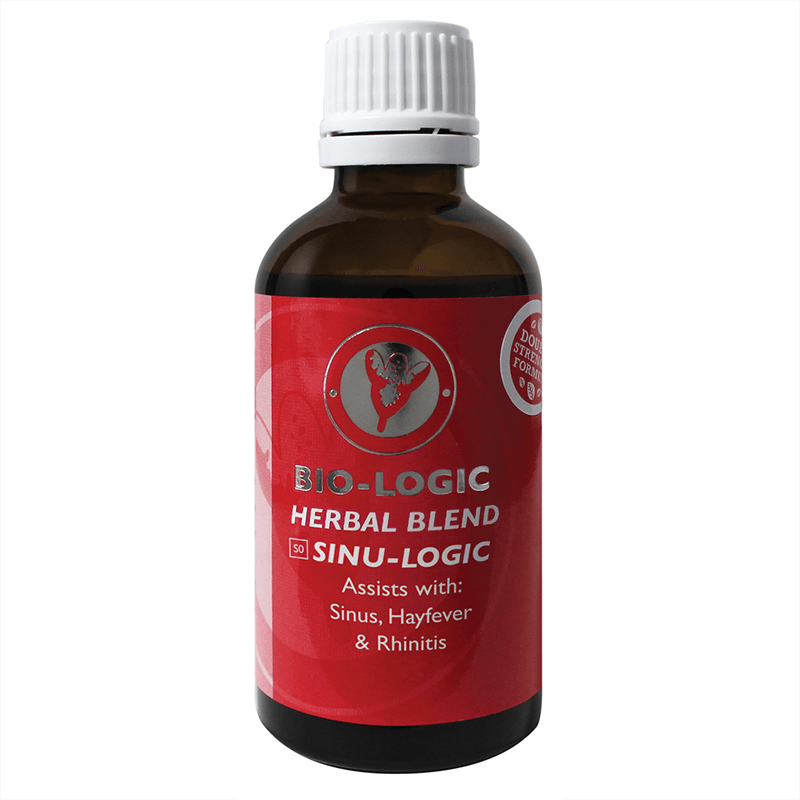
Top pick for this season available at https://sanreek.co.za/product/phytoforce-sinus-and-allergy/